
Multi-Channel Outreach: How to Coordinate Email with Other Channels for Maximum Lead Generation
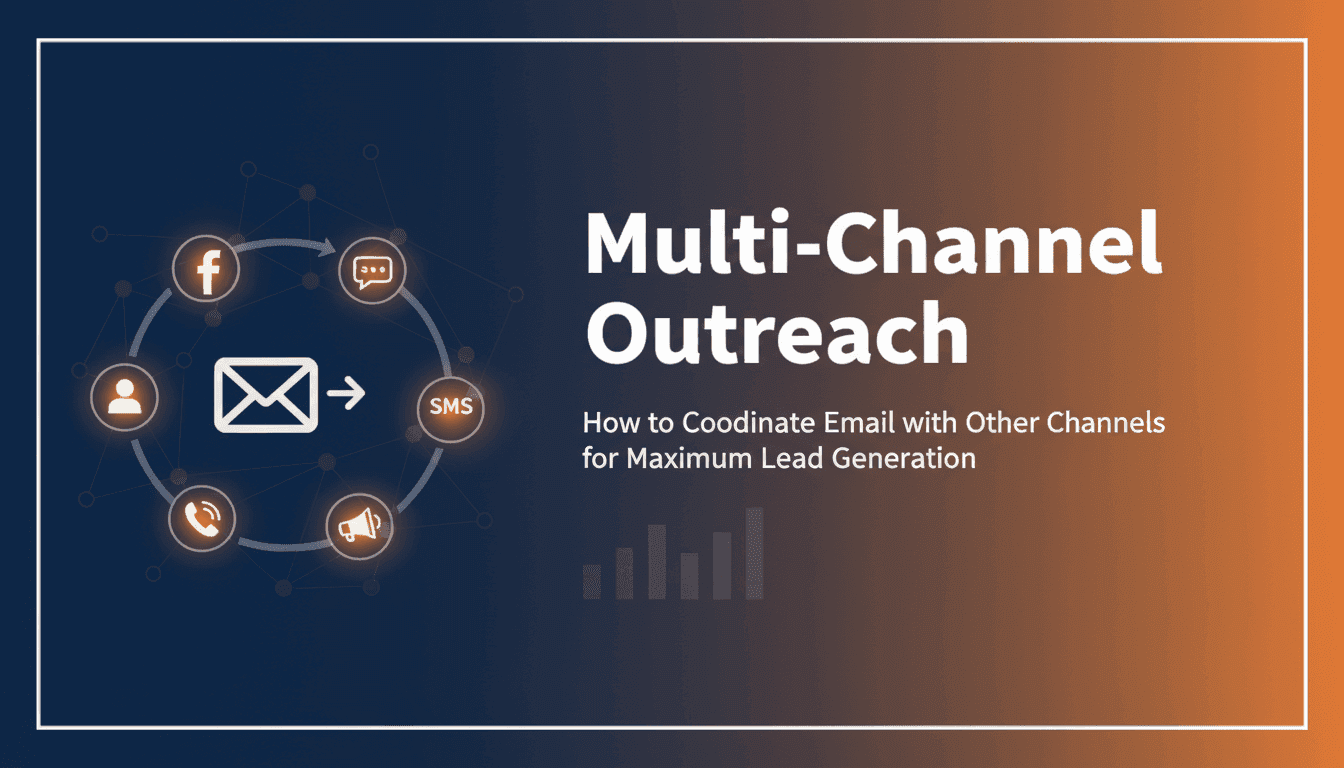
Table Of Contents
- What is Multi-Channel Outreach?
- Why Email Coordination Matters in Multi-Channel Strategies
- The Key Channels to Coordinate with Email
- Building Your Multi-Channel Outreach Framework
- Best Practices for Coordinating Email Across Channels
- Tools and Technology for Multi-Channel Coordination
- Measuring Success Across Multiple Channels
- Common Mistakes to Avoid
In today's crowded digital landscape, reaching your target audience through a single channel is no longer enough. Business owners and marketers face an uncomfortable truth: the average person receives over 120 emails daily, making it increasingly difficult for your message to stand out. This challenge has given rise to multi-channel outreach, a sophisticated approach that coordinates email with other communication channels to create multiple touchpoints with potential leads.
Multi-channel outreach isn't simply about sending the same message across different platforms. It's about creating a coordinated, strategic sequence of interactions that guide prospects through your sales funnel with the right message, at the right time, through the right channel. When done correctly, businesses see response rates increase by up to 300% compared to single-channel approaches.
This comprehensive guide will walk you through the essential components of coordinating email within a multi-channel outreach strategy. You'll learn how to select the right channel mix, create seamless coordination between touchpoints, leverage AI-powered tools to automate without losing personalization, and measure the effectiveness of your efforts. Whether you're a local business owner looking to generate more qualified leads or a marketing professional seeking to optimize your outreach campaigns, this article provides actionable frameworks you can implement immediately.
What is Multi-Channel Outreach? {#what-is-multi-channel-outreach}
Multi-channel outreach is a strategic approach to prospect engagement that leverages multiple communication channels in a coordinated sequence to reach potential customers. Rather than relying solely on email or phone calls, this methodology combines various touchpoints such as email, social media, direct mail, SMS, and phone outreach to create a comprehensive engagement strategy.
The fundamental principle behind multi-channel outreach is simple: different prospects prefer different communication methods, and reaching them through multiple channels increases the likelihood of engagement. A prospect who ignores your email might respond to a LinkedIn message, while another might prefer a follow-up phone call after receiving an introductory email. By diversifying your approach, you meet prospects where they're most comfortable and receptive.
What distinguishes effective multi-channel outreach from simple spam is coordination and relevance. Each touchpoint should acknowledge previous interactions and provide incremental value. For example, if a prospect opened your initial email but didn't respond, your follow-up LinkedIn message might reference that email and offer additional information specifically relevant to their business needs. This coordinated approach demonstrates professionalism and respect for the prospect's time while persistently staying on their radar.
For local businesses using platforms like AI Local Business Discovery, multi-channel outreach transforms raw lead data into meaningful conversations. The quality of your leads matters, but how you engage those leads determines your success rate. Coordinating your outreach across channels ensures that even the best-matched leads receive enough touchpoints to convert into actual business opportunities.
Why Email Coordination Matters in Multi-Channel Strategies {#why-email-coordination-matters}
Email remains the cornerstone of most multi-channel outreach strategies, and for good reason. It offers scalability, measurability, and professional credibility that other channels struggle to match. However, email's effectiveness has declined as inboxes become more crowded and spam filters more sophisticated. This is precisely why coordination with other channels has become essential rather than optional.
When you coordinate email with other channels, you create reinforcement loops that dramatically improve message retention and response rates. Research shows that prospects need an average of 8 touchpoints before they convert, yet most salespeople give up after just 2 attempts. A coordinated multi-channel approach makes those 8 touchpoints feel natural rather than intrusive by varying the medium and message.
Email coordination also provides a paper trail and reference point for all other interactions. After connecting with a prospect on social media or having a phone conversation, sending a follow-up email creates documentation of your discussion and provides next steps. This email serves as both a confirmation of what was discussed and a convenient reference the prospect can return to when they're ready to move forward.
Perhaps most importantly, coordinated email outreach allows for sophisticated automation while maintaining personalization. Modern AI-powered platforms can trigger specific emails based on prospect behavior across multiple channels. If a prospect engages with your content on social media, an automated yet personalized email can follow up on that specific interest. This level of coordination was impossible just a few years ago but is now accessible to businesses of all sizes through platforms offering AI Marketing Service capabilities.
The Key Channels to Coordinate with Email {#key-channels-to-coordinate}
Creating an effective multi-channel outreach strategy requires understanding which channels complement email and how to use them strategically. Not every channel makes sense for every business or prospect, but the following channels consistently deliver results when properly coordinated with email campaigns.
Social Media Outreach represents one of the most powerful complements to email. Platforms like LinkedIn, Facebook, and Instagram allow you to connect with prospects in a less formal environment before or after sending email communications. A LinkedIn connection request can warm up a cold email, while a targeted Facebook message can re-engage someone who went silent after initial email contact. For businesses targeting specific demographics, platforms like Xiaohongshu offer unique opportunities to reach audiences through culturally relevant channels.
Phone Calls provide the human touch that email cannot replicate. Strategic phone follow-ups after email sequences can break through the digital noise and create genuine conversations. The key is timing these calls appropriately. Calling immediately after you know a prospect has opened your email or clicked a link dramatically increases connection rates because you know they're thinking about your offering.
Direct Mail might seem outdated, but it has experienced a renaissance in the digital age precisely because it's unexpected. A physical piece of mail coordinated with your email campaign creates a memorable multi-sensory experience. This works particularly well for local businesses where geographic targeting makes direct mail cost-effective and relevant.
SMS and Text Messaging offer immediacy that email lacks, with open rates exceeding 95% compared to email's 20-30%. However, text messaging requires careful permission management and should be reserved for high-value prospects or existing relationships. Coordinating a brief text reminder with an email campaign can significantly boost engagement without overwhelming recipients.
Content Marketing and Retargeting create passive touchpoints that support your active outreach. When prospects visit your website after receiving an email, retargeting ads keep your brand visible as they browse other sites. Publishing valuable content that addresses their pain points, as emphasized in Content Marketing strategies, gives you legitimate reasons to reach back out with additional emails.
The specific channel mix depends on your target audience, industry, and resources. B2B service providers typically emphasize LinkedIn and phone coordination with email, while local retailers might focus on social media, SMS, and direct mail. The key is selecting channels where your prospects actually spend time and coordinating them in a way that feels helpful rather than harassing.
Building Your Multi-Channel Outreach Framework {#building-your-framework}
Creating a successful multi-channel outreach strategy requires a structured framework that ensures consistency and coordination across all touchpoints. The following step-by-step approach helps businesses of all sizes implement effective multi-channel campaigns that generate qualified leads.
1. Define Your Ideal Customer Profile and Segments – Before launching any outreach, you need crystal-clear understanding of who you're targeting. Create detailed profiles that go beyond basic demographics to include pain points, communication preferences, and typical buying behaviors. Segment your prospect list based on characteristics that might affect channel preference or message relevance. Using AI Local Business Discovery capabilities helps ensure you're starting with high-quality, well-matched leads rather than wasting resources on poor-fit prospects.
2. Map Your Customer Journey and Touchpoint Sequence – Outline the ideal path from initial awareness to conversion, identifying where different channels make the most sense. A typical B2B sequence might start with a LinkedIn connection request, followed by an introductory email, then a value-add social media interaction, another email with specific insights, and finally a phone call. Create a visual map showing the sequence, timing, and content for each touchpoint across channels.
3. Develop Channel-Specific Content Templates – Each channel requires content optimized for its format and audience expectations. Your LinkedIn message should feel conversational and network-focused, while your email can be more detailed and professional. Create templates for each channel that maintain consistent messaging while respecting the norms of each platform. These templates should be flexible enough to allow personalization while providing structure that ensures efficiency.
4. Establish Timing and Cadence Rules – Determine the optimal spacing between touchpoints to maintain presence without becoming annoying. Generally, wait 3-5 days between email touches, but you can engage on social media more frequently since it's less intrusive. Create if-then rules for engagement: if a prospect opens an email but doesn't respond, trigger a LinkedIn message within 48 hours; if they click a link, fast-track them to a phone call attempt.
5. Implement Tracking and Attribution Systems – Before launching campaigns, establish systems to track which channels drive results. Use UTM parameters for emails, unique phone numbers for different campaigns, and CRM integration that logs all touchpoints regardless of channel. This tracking is essential for understanding what's working and optimizing your approach over time.
6. Create Coordination Rules and Automation Triggers – Define how channels interact and trigger each other. For example, a rule might state that any prospect who engages with three pieces of content on social media automatically receives a personalized email referencing those specific interests. AI SEO Agents and similar AI-powered tools can help automate these complex coordination rules while maintaining the personalization that makes outreach effective.
Best Practices for Coordinating Email Across Channels {#best-practices}
Successful multi-channel coordination requires more than just sending messages through different platforms. The following best practices ensure your coordinated approach enhances rather than diminishes your effectiveness.
Maintain Message Consistency with Channel-Appropriate Variation – Your core value proposition and brand voice should remain consistent across all channels, but the specific messaging should adapt to each platform's norms. An email can include detailed case studies and bullet points, while a LinkedIn message should be brief and conversational. The prospect should recognize they're hearing from the same company with the same offer, but the delivery should feel native to each channel.
Acknowledge Previous Touchpoints – When moving between channels, reference earlier interactions to create continuity. If you're sending an email after connecting on LinkedIn, mention that connection. If you're making a phone call after sending several emails, acknowledge those emails and ask if the prospect had a chance to review the information. This acknowledgment demonstrates that you're paying attention and coordinating your efforts rather than randomly bombarding them.
Personalize Based on Engagement Data – Use behavioral data from all channels to inform your messaging. If a prospect clicked on pricing information in your email, your next LinkedIn message might offer to walk them through package options. If they engaged with content about a specific service on social media, your follow-up email should reference that interest. This level of personalization shows you're paying attention and makes each touchpoint more relevant.
Respect Channel Preferences and Provide Options – Some prospects will clearly prefer certain channels based on where they engage most. Pay attention to these preferences and adjust your approach accordingly. Additionally, give prospects explicit options for how they'd like to communicate. A simple line in your email like "Feel free to respond here, call me directly, or message me on LinkedIn—whatever works best for you" empowers the prospect and increases response likelihood.
Use Email as Your Documentation Hub – While you engage across multiple channels, use email to document important information, agreements, and next steps. After a productive phone conversation or social media exchange, send an email summarizing what was discussed and confirming next actions. This creates a searchable record for both you and the prospect and provides something tangible they can forward to other decision-makers.
Balance Automation with Genuine Personalization – Modern platforms enable significant automation, but the best multi-channel campaigns balance efficiency with authentic human touch. Use automation for trigger-based communications and routine follow-ups, but inject genuine personalization at key moments. A hand-crafted video message or custom-written email at the right moment can break through when automated messages would fail. AI Chat Agents can help handle routine interactions while freeing you to focus on high-value personal touchpoints.
Tools and Technology for Multi-Channel Coordination {#tools-and-technology}
Executing coordinated multi-channel outreach manually quickly becomes overwhelming as your prospect list grows. The right technology stack makes coordination seamless, provides valuable insights, and ensures nothing falls through the cracks.
Customer Relationship Management (CRM) Systems form the foundation of any multi-channel strategy. Your CRM should serve as the single source of truth for all prospect interactions across channels. Modern CRMs integrate with email platforms, social media, phone systems, and other tools to automatically log touchpoints and provide a complete interaction history. This integration ensures that anyone on your team can see the full context of a relationship before engaging.
Marketing Automation Platforms enable sophisticated multi-channel sequences that respond to prospect behavior in real time. These platforms can trigger specific actions based on email opens, website visits, social media engagement, or dozens of other signals. The best platforms allow you to create complex if-then logic that mimics human decision-making while operating at scale.
Email Sequencing Tools specialize in automated email campaigns that pause when prospects respond and resume when they go silent. These tools typically include A/B testing capabilities, deliverability optimization, and analytics that help you understand what messaging resonates. When integrated with your broader multi-channel strategy, they ensure email touchpoints happen at optimal times.
Social Media Management and Outreach Tools help you monitor, engage, and message prospects across social platforms from a single dashboard. These tools can identify when prospects engage with your content, alert you to opportunities for organic engagement, and facilitate direct messaging at scale. For businesses leveraging Influencer Marketing Platform capabilities, these tools become essential for managing multiple relationships simultaneously.
AI-Powered Lead Intelligence Platforms take multi-channel coordination to the next level by using artificial intelligence to identify the best prospects, optimize timing, and personalize messaging across channels. Platforms like Business AI can analyze patterns across thousands of interactions to determine which channel combinations and sequences work best for specific prospect segments. This level of optimization was previously only available to enterprise organizations but is increasingly accessible to businesses of all sizes.
Unified Analytics Dashboards bring together data from all your channels to provide comprehensive performance insights. These dashboards should show not just channel-specific metrics but multi-touch attribution that reveals which channel combinations drive conversions. Understanding that prospects who receive email plus LinkedIn contact convert at 40% higher rates than those who only receive email enables you to optimize your approach based on evidence rather than assumptions.
When selecting tools, prioritize integration capabilities over feature lists. The best individual tool becomes useless if it can't share data with your other systems. Look for platforms with robust APIs, native integrations with popular services, and strong data export capabilities.
Measuring Success Across Multiple Channels {#measuring-success}
Effective measurement is essential for optimizing your multi-channel outreach strategy. However, measuring multi-channel campaigns presents unique challenges because success rarely comes from a single touchpoint. The following metrics and approaches provide clarity on what's working and where to improve.
Multi-Touch Attribution Metrics reveal how different channels contribute to conversions. Rather than crediting only the last touchpoint before conversion, multi-touch attribution recognizes that awareness-stage touchpoints (like initial social media connections) and consideration-stage touchpoints (like detailed email sequences) all play important roles. Implement attribution models that give appropriate credit to each channel based on its role in the journey.
Channel-Specific Engagement Rates help you understand which channels resonate with your audience. Track email open rates, social media response rates, phone connection rates, and website visit rates separately. However, always view these metrics in context of the broader sequence. A low email open rate might still be acceptable if those emails are triggering valuable social media engagement.
Response Rate by Channel Combination measures the effectiveness of specific multi-channel sequences. Compare conversion rates for prospects who received email-only outreach versus those who received email plus LinkedIn versus those who received email plus LinkedIn plus phone contact. This analysis reveals which combinations deliver the best ROI and deserve more investment.
Time to Response and Conversion shows how multi-channel approaches affect sales cycle length. Often, adding more touchpoints across channels accelerates conversion by building trust faster. Track the average time from first contact to response and from first contact to closed deal for different channel strategies.
Cost per Lead by Channel Mix ensures your multi-channel strategy remains economically viable. Calculate the total cost of executing different channel combinations (including time, tools, and direct costs) and divide by qualified leads generated. This metric helps you balance effectiveness with efficiency. Working with an SEO Agency or Social Media Agency can sometimes improve ROI by leveraging specialized expertise and established processes.
Lead Quality Scores measure whether your multi-channel outreach attracts the right prospects. Generating more responses means little if those responses come from poor-fit prospects. Implement lead scoring that evaluates prospect fit, engagement level, and purchase intent, then track how different channel strategies affect these quality metrics.
Channel Fatigue Indicators help you identify when you're over-communicating. Monitor unsubscribe rates, block rates, and negative responses for each channel. A sudden increase in these metrics indicates you need to reduce frequency or improve relevance. Balance persistence with respect for prospect preferences.
Review these metrics regularly but avoid over-reacting to short-term fluctuations. Multi-channel strategies often require 90-120 days of consistent execution before patterns become clear and optimization becomes possible. Focus on trends rather than daily variations.
Common Mistakes to Avoid {#common-mistakes}
Even well-intentioned multi-channel outreach campaigns can fail when businesses make common coordination errors. Avoiding these pitfalls will save you time, protect your reputation, and improve your results.
Sending Identical Messages Across All Channels represents one of the most frequent mistakes. When a prospect receives the exact same message via email, LinkedIn, and SMS, it feels robotic and desperate rather than strategic. Each channel should deliver the same core value proposition but with messaging optimized for that platform's format and audience expectations. Variation also prevents the awkward experience of a prospect seeing your identical pitch in multiple places simultaneously.
Ignoring Channel Preferences and Engagement Signals wastes resources and annoys prospects. If someone consistently ignores your emails but engages on social media, shift your focus to social platforms for that prospect. Similarly, if a prospect asks you to email rather than call, respect that preference. Paying attention to these signals and adjusting accordingly demonstrates professionalism and increases response rates.
Failing to Coordinate Timing Between Channels can create overwhelming contact frequency. Sending an email, making a phone call, and posting a LinkedIn comment all on the same day feels aggressive rather than persistent. Space your touchpoints strategically, typically allowing 2-5 days between contacts depending on the channels involved and the prospect's engagement level.
Neglecting Mobile Optimization undermines your multi-channel efforts since most prospects will encounter your messages on mobile devices. Emails should be mobile-responsive, social media content should be easily consumable on small screens, and any linked content must load quickly on mobile connections. A prospect interested in your offering might abandon the process entirely if your content doesn't work properly on their device.
Using Poor Quality Data dooms even the best multi-channel strategy. Outdated contact information, incorrect details about the prospect's business, or poorly matched leads waste your effort and damage your credibility. This is where platforms like AI Local Business Discovery provide significant value by ensuring you start with accurate, relevant, actively-maintained lead data rather than struggling with outdated lists.
Over-Automating Without Human Oversight creates embarrassing situations when automation doesn't account for context. A prospect who just responded to your email shouldn't receive an automated "haven't heard from you" message two days later. Build in human checkpoints for your automated sequences and implement smart pausing rules that stop sequences when prospects engage.
Forgetting to Test and Optimize means you continue ineffective approaches indefinitely. Regularly A/B test different channel combinations, messaging approaches, and timing sequences. What works for one audience segment might fail for another, and what worked last quarter might need adjustment as markets and preferences evolve.
Lacking Clear Calls to Action leaves prospects uncertain about next steps. Every touchpoint should include a clear, easy action the prospect can take. Sometimes that's scheduling a call, sometimes it's replying with specific information, and sometimes it's simply clicking to learn more. Remove friction and ambiguity about what you want prospects to do.
Avoiding these mistakes requires discipline, ongoing attention, and willingness to adjust your approach based on results. The businesses that succeed with multi-channel outreach treat it as an evolving process rather than a set-it-and-forget-it campaign.
Multi-channel outreach coordinated through email represents the future of lead generation for businesses that want to cut through digital noise and connect with prospects in meaningful ways. By strategically combining email with social media, phone calls, direct mail, and other touchpoints, you create multiple opportunities to engage prospects where they're most receptive.
The key to success lies not in simply broadcasting your message across every available channel, but in thoughtful coordination that creates a cohesive, personalized experience for each prospect. Each channel plays a specific role in building awareness, establishing credibility, and moving prospects toward conversion. Email serves as your documentation hub and detailed information source, social media creates informal rapport, and phone calls provide the human connection that closes deals.
Implementing effective multi-channel coordination requires the right combination of strategy, technology, and execution. Start with clear understanding of your target audience and their channel preferences. Build structured frameworks that ensure consistency while allowing flexibility. Leverage AI-powered platforms to automate routine touchpoints while preserving resources for high-value personal interactions. And continuously measure, test, and optimize based on real performance data rather than assumptions.
For local businesses and organizations focused on lead generation, the coordination challenge extends beyond just managing multiple channels. It starts with having quality leads that are worth the multi-channel effort. Investing time in sophisticated outreach for poorly matched prospects wastes resources and delivers disappointing results regardless of how well you coordinate your channels.
As you implement these multi-channel strategies, remember that technology should enhance rather than replace human connection. The businesses that win in today's competitive landscape use tools to scale their efforts while maintaining the authentic, personalized touch that turns prospects into customers and customers into advocates.
Ready to Transform Your Lead Generation?
Multi-channel outreach is only as effective as the quality of leads you're targeting. Stop wasting time on outdated contact lists and poorly matched prospects. LocalLead.ai uses advanced AI algorithms to discover active, relevant leads tailored to your specific business requirements—then delivers fresh, qualified prospects every month.
Discover how AI-powered lead generation can fill your pipeline with prospects actually worth your multi-channel outreach efforts. Start finding better leads today.